Updated: May 6, 2025.
In this blog you will learn:
- How communication gaps in healthcare impact patients
- Why primary care staff must address communication gaps now
- Why collaborative care is the best way to eliminate communication gaps
Communication gaps cause challenges everyday, no matter what role or industry. But in healthcare, they could spell disaster. In some cases, life-threatening complications or even death are possible.
What communication gaps exist in healthcare?
With increasing demands, overwhelming caseloads, and limited staff resources, communication gaps are bound to occur. Unfortunately, these gaps lead to fragmented care and worse patient outcomes. Not to mention, an increased risk of burnout and frustration amongst providers. These communication gaps exist within and outside of healthcare organizations, especially in America’s traditional healthcare system.
It’s even more pronounced in mental health care. For example, consider when a primary care provider refers a patient struggling with anxiety and depression to a therapist in the community. Working in different offices across town, the patient’s primary care provider and community mental health therapist may not regularly communicate with each other. How will the therapist know any changes in their patient’s physical health or medication prescriptions? What if they offer conflicting advice for addressing mental illness, causing the patient confusion and frustration? Finally, who is making the decisions, does it align with the patient’s needs, and is the treatment plan going to be effective?
These communication gaps leave a lot to chance, which healthcare providers can’t afford to do at a time when over 60 million Americans struggle with mental illness.
Why should primary care teams address communication gaps now?
Healthcare is more complex and expensive than ever before. That’s why primary care teams must address communication gaps in order to:
- Reduce workloads – Primary care remains the front door to America’s healthcare system, and seven in 10 Americans prefer their primary care provider ask about their physical and mental health concerns. Unfortunately, in one day primary care providers might see up to 25 patients in a day and may not have time or resources to address both physical and mental health. They could refer their patients to a community mental health therapist, but what if communication between the two is largely inconsistent or absent?
- Reduce costs – Without strong, efficient communication, patients and healthcare organizations alike spend more on treatment. Eliminating communication gaps benefits both patients and healthcare organizations financially. How? Primary care clinics can better allocate money and resources, and patients spend less on care.
- Improved outcomes – Communication gaps may result in delayed treatment, misdiagnoses, and prolonged suffering. This may also curb the patient’s trust in their healthcare providers, leading to disengagement and a lower likelihood of following through on treatment. Addressing these gaps ensures patients receive the timely, high-quality care they deserve, while also ensuring they remain active in their healing journey.
Primary care teams can solve communication gaps with collaborative care
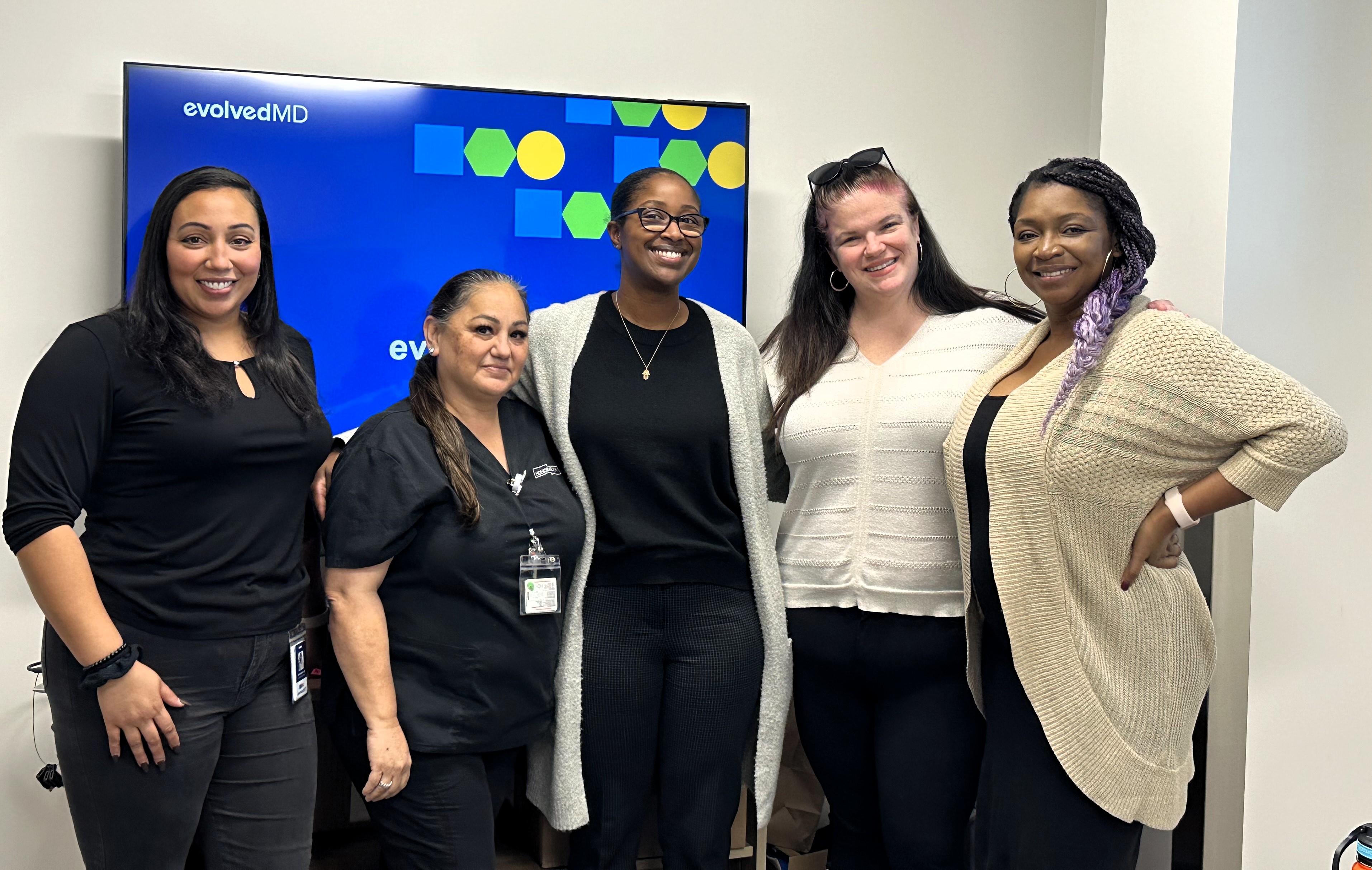
Deep connection and collaboration between healthcare providers can effectively bridge communication gaps, cut costs, and improve patient outcomes. The most effective way to do so is through collaborative care—integrating behavioral health in the primary care setting. In practice, this means staffing a mental health therapist in a primary care practice.
How collaborative care eliminates communication gaps in primary care
When primary care and behavioral health work together, patients can address their whole health needs at their preferred primary practice. At evolvedMD, our unique approach to collaborative care involves embedding a licensed therapist onsite and in person at each primary care practice we serve. In fact, “We Connect + Collaborate” is one of our values and guide our work with the patients, providers, and practices we serve every day.
Here’s how our approach to collaborative care eliminates communication gaps:
- One Team, One Location – A collaborative care team consists of a mental health therapist and a care coordinator under the patient’s primary care provider. As one team, all providers involved are on the same page to effectively address each patient’s unique needs, without external referrals unless absolutely necessary.
- Primary Care Provider – offering the same physical health services you’re accustomed to.
- Behavioral Health Manager – delivering therapy and mental health services.
- Care Coordinator – connecting to community resources as needed.
- [Offsite] Psychiatric Consultant – providing medication management and guidance to both primary care providers and therapists via virtual sessions.
- Warm Hand-off – Rather than refer a patient to a therapist in the community, a primary provider can simply refer them to the on-site mental health therapist, often down the hall. This way primary care providers know that their patients are getting the mental health care they need in a timely manner without wondering if they ever got an appointment elsewhere in the community.
- Centralized Information Sharing – All members of the collaborative care team have access to the same patient information to stay in the loop and make collective, informed decisions. Instead of patient information being scattered across different providers, locations, and health record systems, everything is one one centralized system.
- Ongoing Care – By working together, primary care providers and behavioral health professionals can stay on top of treatment plans and monitor progress for each patient. Even better, they can work together to address issues early and proactively as well as make necessary adjustments to their patients’ overall treatment plan.
.png)
In short: Collaborative care = no communication gaps and healthier patients.
Collaborative care can eliminate communication gaps to ensure patients receive comprehensive physical and mental health care in one place. Collaborative care models like evolvedMD’s effectively bridge these gaps to elimiante fragmented care and improve patient outcomes without anyone falling through the cracks.
Ready to eliminate communication gaps and improve patient outcomes?
Partner with evolvedMD today.
